- Carolina Beach is warning of potential King Tide flooding
- NCDEQ launches Hurricane Helene recovery grants program
- Why no hurricanes made landfall in the US in 2025
- Florence to begin interviewing police chief finalists in January
- A West Texas county wants to better prepare for floods. Paying for it will be tricky.
Western North Carolina wildfires prompt price gouging law activation
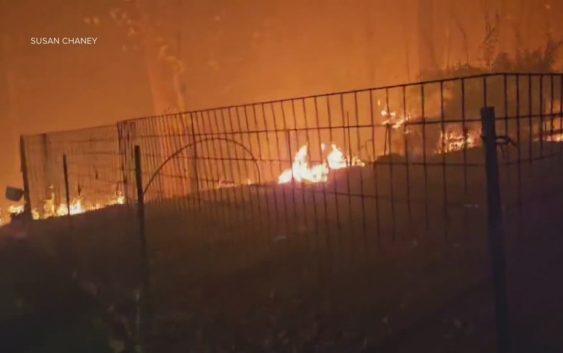
North Carolina Attorney General Josh Stein announced the decision on Thursday.
CHARLOTTE, N.C. — As wildfires burn parts of western North Carolina, state officials are enacting measures to prevent people from being taken advantage of in additional counties.
Price gouging laws are now in effect for 34 North Carolina counties and lands in response to the state of emergency declared by Governor Roy Cooper for the western North Carolina wildfires that have burned over 200 acres. North Carolina Attorney General Josh Stein announced the decision on Thursday.
“As the situation in western North Carolina continues, please make sure that you are vigilant for excessive price increases,” Stein said. “If you see it, report it to my office so we can do everything in our power to make sure people are treated fairly during times of crisis.”
The price gouging law is in effect for the following counties and lands:
- Alexander
- Alleghany
- Ashe
- Avery
- Buncombe
- Burke
- Cabarrus
- Caldwell
- Catawba
- Cherokee
- Clay
- Cleveland
- Gaston
- Graham
- Haywood
- Henderson
- Iredell
- Jackson
- Lincoln
- Macon
- Madison
- McDowell
- Mecklenburg
- Mitchell
- Polk
- Rowan
- Rutherford
- Swain
- Transylvania
- Union
- Watauga
- Wilkes
- Yancey
- Eastern Band of Cherokee Indians tribal lands
Cooper’s declaration comes as crews in Watauga County are battling a large brush fire in the Triplett community, which is near Powder Horn Mountain.
The declaration makes it easier to coordinate the emergency response and ensure the right equipment and people get into place to fight the fires.
An unusually dry fall is combining with above-average temperatures to increase fire danger, especially in the mountains, officials said. The area is in moderate to severe drought and conditions are getting worse.